Preparing for the Unpredictable: A Look at Disaster Preparedness Groups
In a world where natural disasters, civil unrest, and emergencies can strike without warning, being prepared is not just a choice but a necessity. Various groups and organizations dedicate themselves to ensuring that individuals, communities, and businesses are ready to face these challenges. In this blog, we will explore the commonalities and differences among these groups, as represented on their websites, and compile a list of essential items that they all agree are crucial for preparedness.
Common Goals and Approaches
Despite the different types of emergencies they prepare for, these groups share several common goals and approaches:
- Education and Awareness: Most organizations emphasize the importance of educating the public about potential risks and the steps they can take to mitigate them. This includes providing resources, guides, and training sessions on disaster preparedness 1 2.
- Emergency Plans: Creating comprehensive emergency plans is a cornerstone of preparedness. These plans often include evacuation routes, communication strategies, and designated meeting places for families and communities 1 2.
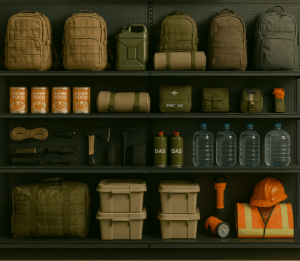
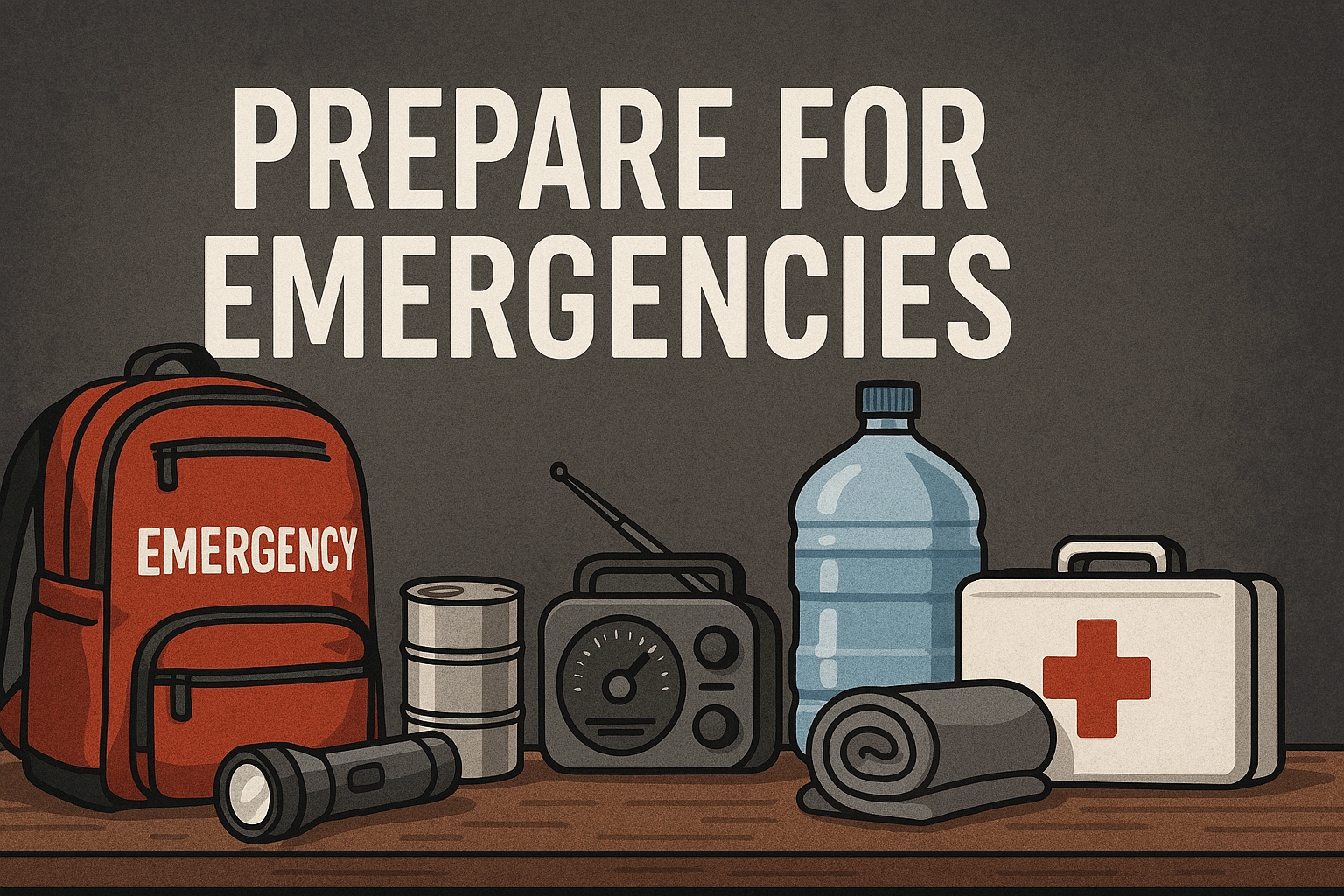
- Supply Kits: All groups stress the importance of having a well-stocked emergency supply kit. These kits typically contain essentials like food, water, first aid supplies, flashlights, and batteries 1 2.
- Community Involvement: Encouraging community participation in emergency planning and response efforts is another common theme. This includes collaborating with local authorities and participating in community drills 1 2.
Differences in Focus
While the overarching goals are similar, the focus and specific strategies can vary:
- Natural Disasters: Groups that prepare for natural disasters, such as hurricanes, earthquakes, and floods, often emphasize the importance of weather monitoring and having a plan for long-term power outages 1. They also provide specific guidelines for different types of natural disasters.
- Civil Unrest: Organizations focused on civil unrest highlight the need for situational awareness and staying informed about potential threats. They often advise individuals to stay indoors and avoid large gatherings during periods of unrest 3.
- General Emergencies: Some groups take a more holistic approach, preparing for a wide range of emergencies, including industrial accidents and pandemics. These organizations often provide broader guidelines that can be adapted to various situations 1 2.
Essential Items for Preparedness
Based on the information from various groups, here is a compiled list of essential items that are commonly recommended for being prepared:
- Food and Water: Non-perishable food items and enough water to last at least three days.
- First Aid Supplies: A comprehensive first aid kit, including medications and medical supplies.
- Communication Tools: Battery-powered or hand-crank radios, extra batteries, and a list of emergency contacts.
- Lighting: Flashlights and extra batteries.
- Personal Documents: Copies of important documents, such as identification, insurance policies, and medical records.
- Clothing and Bedding: Extra clothing, blankets, and sleeping bags.
- Tools and Supplies: Multi-purpose tools, duct tape, and plastic sheeting.
- Personal Hygiene Items: Sanitation and personal hygiene products.
- Special Needs Items: Supplies for infants, elderly family members, and pets.
By understanding the commonalities and differences among these groups, individuals can better prepare themselves and their families for the unpredictable. Whether it’s a natural disaster, civil unrest, or any other emergency, being prepared can make all the difference.
1: Disaster preparedness: Individuals, organizations and communities benefit from planning ahead – Center for Disaster Philanthropy 2: Disaster Relief Organizations: Which Are the Best? [2025 List] 3: 8 Steps to Prepare for Civil Unrest – Be Prepared – Emergency Essentials