After exploring the shared values that unite us in preparedness, it’s time to zoom out and recognize the distinct tribes that make up this resilient ecosystem. While we may all value readiness, self-reliance, and adaptability, the paths we take vary widely. Some build gardens, others build bug-out bags. Some train with rifles, others with rain barrels.
Here’s a breakdown of eight key preparedness communities—each with its own philosophy, priorities, and methods. Understanding these groups helps us learn from one another, collaborate wisely, and refine our own approach.
🧭 1. Preppers
Philosophy: Plan for short- to medium-term disruptions.
Core Traits:
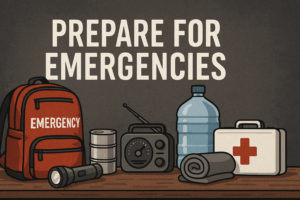
- Stockpile food, water, medical supplies, and fuel
- Create contingency plans for emergencies
- Often urban or suburban dwellers
Goal: Maintain normalcy during crises through foresight and logistics.
🌲 2. Survivalists
Philosophy: Prepare for long-term survival in extreme or post-collapse scenarios.
Core Traits:
- Master wilderness skills and self-defense
- Live off-grid or in remote areas
- Maintain bug-out bags and safe zones
Goal: Adapt and endure without modern infrastructure.
🌾 3. Homesteaders
Philosophy: Build long-term independence through land-based living.
Core Traits:
- Grow food, raise livestock, preserve harvests
- Live off-grid or semi-off-grid
- Focus on sustainability over crisis response
Goal: Create a self-sufficient lifestyle rooted in stewardship and permanence.
⚡ 4. Off-Gridders
Philosophy: Live independently from public utilities and infrastructure.
Core Traits:
- Use solar, wind, or hydro power
- Collect and purify water
- Blend homesteading with survivalist practices
Goal: Achieve energy and resource autonomy.
🔥 5. Bushcrafters
Philosophy: Master traditional outdoor skills and live in harmony with nature.
Core Traits:
- Practice fire-making, shelter-building, and tool crafting
- Engage in recreational survival scenarios
- Study local flora and fauna
Goal: Build resilience through skill, not stockpile.
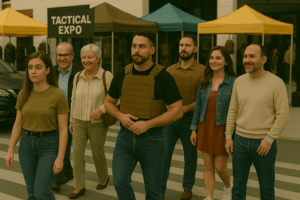
🛡️ 6. Tactical Enthusiasts / Militia Groups
Philosophy: Prepare for civil unrest or threats through defense and coordination.
Core Traits:
- Train in firearms, tactics, and security
- Organize in paramilitary-style units
- Emphasize constitutional rights and vigilance
Goal: Protect community and sovereignty through strength and readiness.
🎒 7. Minimalist Preppers
Philosophy: Stay agile with minimal gear and maximum adaptability.
Core Traits:
- Use multi-purpose tools and compact kits
- Prioritize mobility over accumulation
- Often urban dwellers with limited space
Goal: Be ready to move fast and improvise under pressure.
🌱 8. Eco-Preppers / Permaculturists
Philosophy: Build resilience through ecological sustainability and community cooperation.
Core Traits:
- Apply permaculture principles to food and water systems
- Prepare for climate-related disasters
- Share resources and knowledge within communities
Goal: Harmonize preparedness with environmental stewardship.
Why This Matters
Each group offers a unique lens on resilience. Some focus on gear, others on skills. Some build for permanence, others for mobility. But all share a commitment to intentional living and proactive adaptation.
Whether you’re refining your own approach or building a platform like SilentPreparation.com to serve a broader community, understanding these groups helps you curate resources, design UX modules, and communicate with clarity and respect.
Preparedness isn’t one-size-fits-all. It’s a spectrum—and every point on it has something to teach.